Research
Scientific work
My academic work, rewritten to be read on the web. For now, from the Master’s in Astrophysics at UNIR; work from the M.Eng. in Information Systems at UTN and from Electronic Engineering at Universidad del Norte is on its way.
Remote-mode observations at the Sierra Nevada Observatory
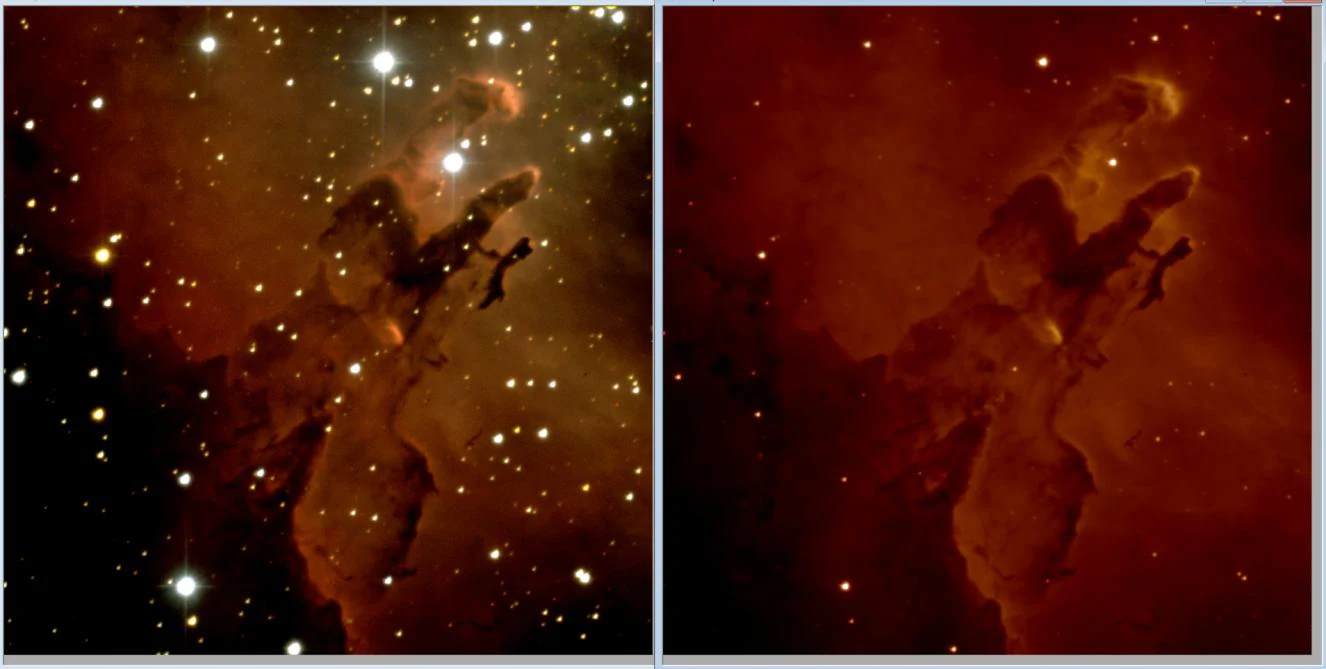
Report of a campaign with the T150 telescope (1.5 m) at the OSN: log of the six nights, data reduction, detection and characterisation of the transits of WASP-103 b and TrES-3 b, and multiband and Hα images of NGC 5907, M13, M27, M16 and M51.
Read →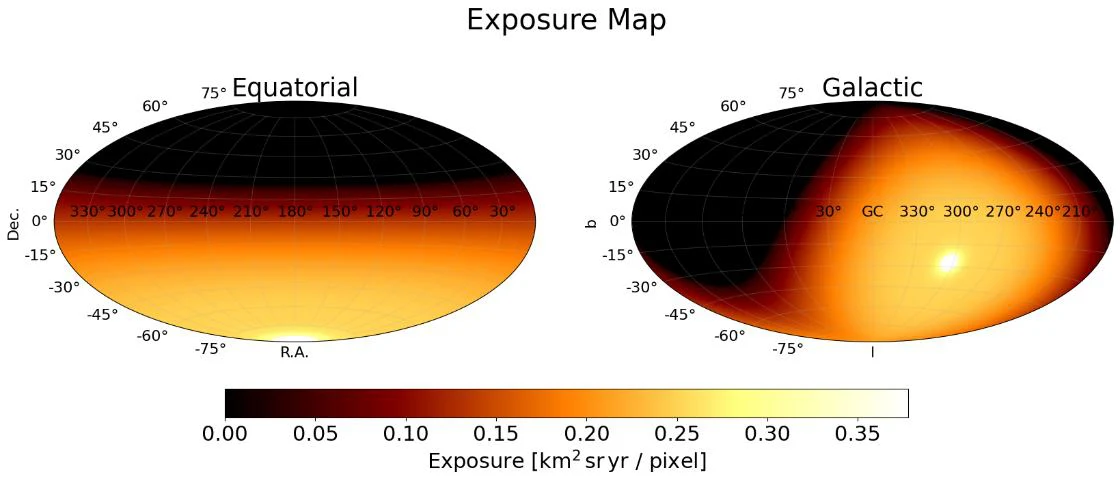
Analysis of anisotropies in ultra-high-energy cosmic rays
Reproduction of the analysis of Aab et al. (2017) with open data from the Pierre Auger Observatory: SD and FD energies, angular distributions, arrival and exposure maps with HEALPix, and a Rayleigh analysis in right ascension for the events above 8 EeV.
Read →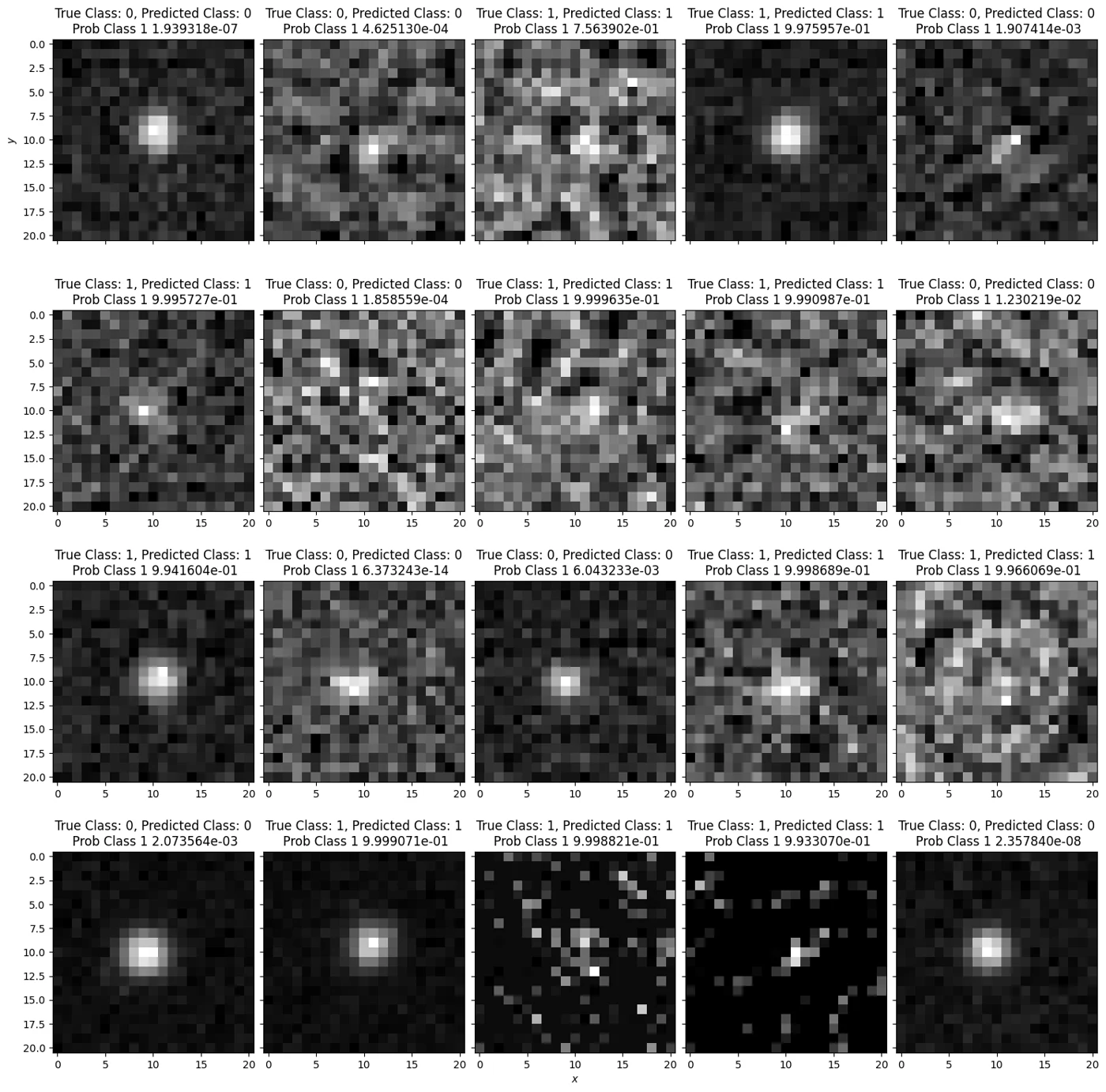
Deep learning for the identification of trans-Neptunian objects
Classification of 21×21-pixel cut-outs into real TNOs or false detections: a fully connected network (optimisers, batch size, epochs, confusion matrix and batch normalisation), a VGG6 with hyperparameter tuning and dropout, and a ResNet50.
Read →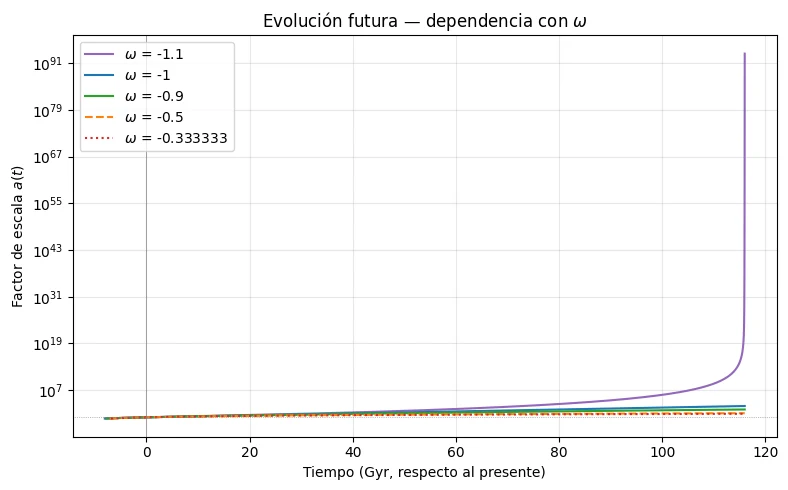
A model of the expansion of the universe in Python
Derivation of the Friedmann acceleration equation, numerical integration with the Planck parameters and their errors, and exploration of five values of the dark-energy equation of state: from the De Sitter universe to the Big Rip.
Read →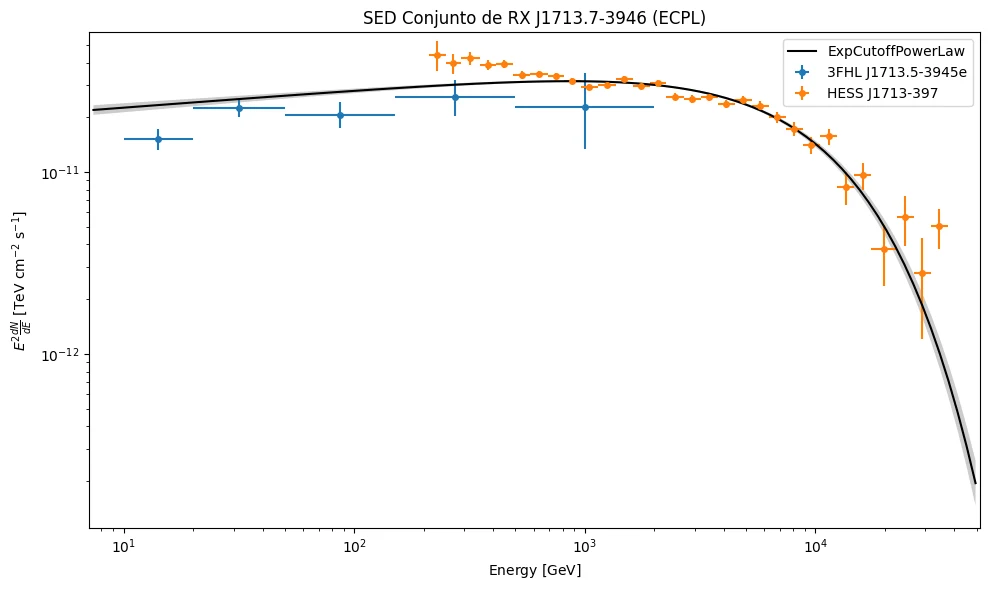
A multi-instrument spectrum: Fermi-LAT and H.E.S.S. on three gamma-ray sources
Cross-identification of the 3FHL (Fermi-LAT) and HGPS (H.E.S.S.) catalogues with Gammapy and joint spectral fitting of three sources of different nature with a power law, a log-parabola and a power law with an exponential cut-off.
Read →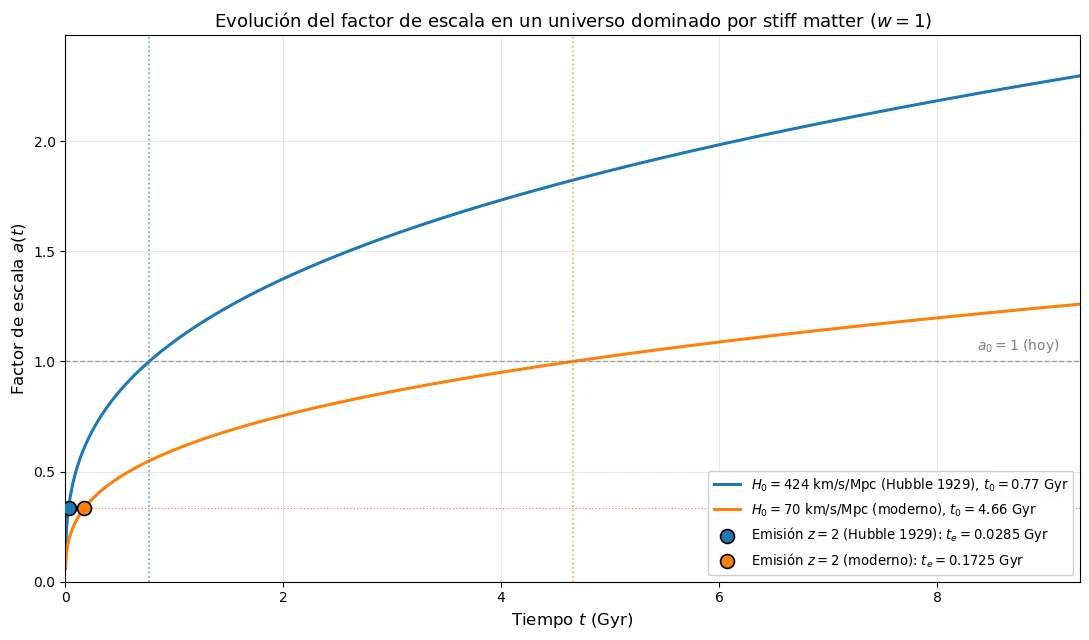
Cosmological parameters and the evolution of the universe
Three problems linked by the Hubble constant: a fit to Hubble’s original data (1929), a flat universe dominated by stiff matter (w = 1), and recombination and decoupling with the Saha equation.
Read →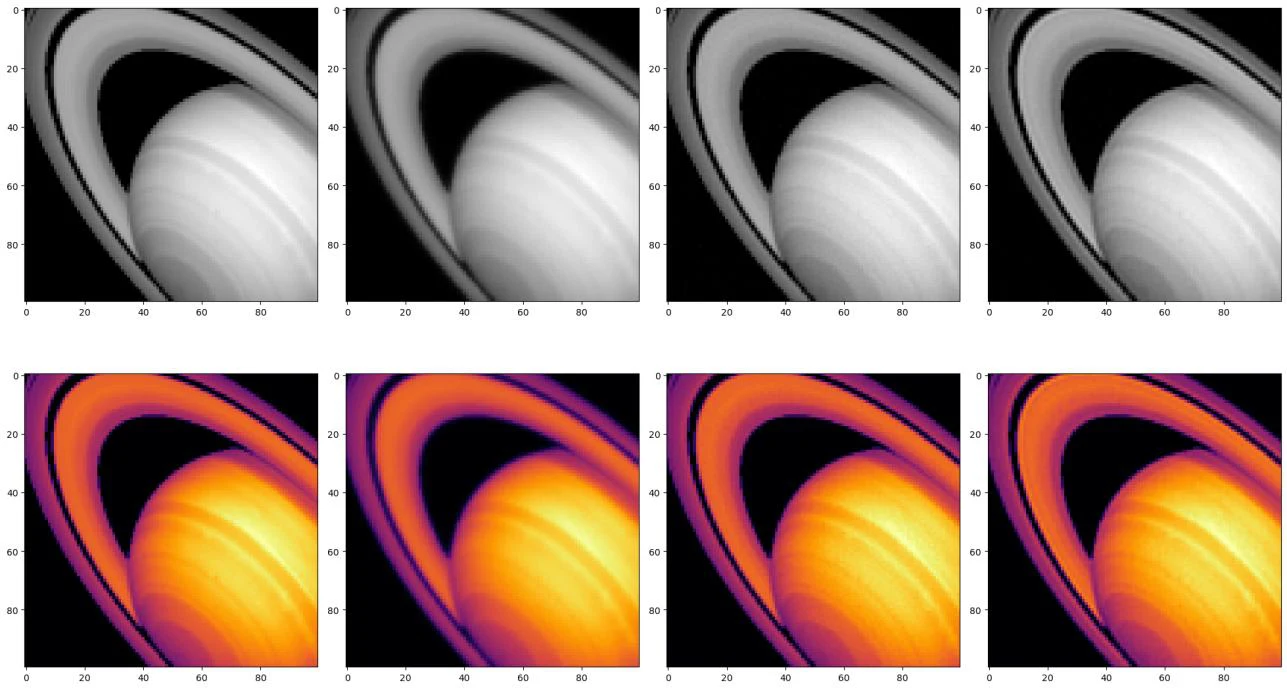
Simulation and deconvolution of astronomical observations
Controlled degradation of an image of Saturn with a PSF and Gaussian or Poisson noise, restoration with supervised and unsupervised Wiener filtering and with Richardson–Lucy, tests with the wrong statistics, and blind restoration of the galaxy M100.
Read →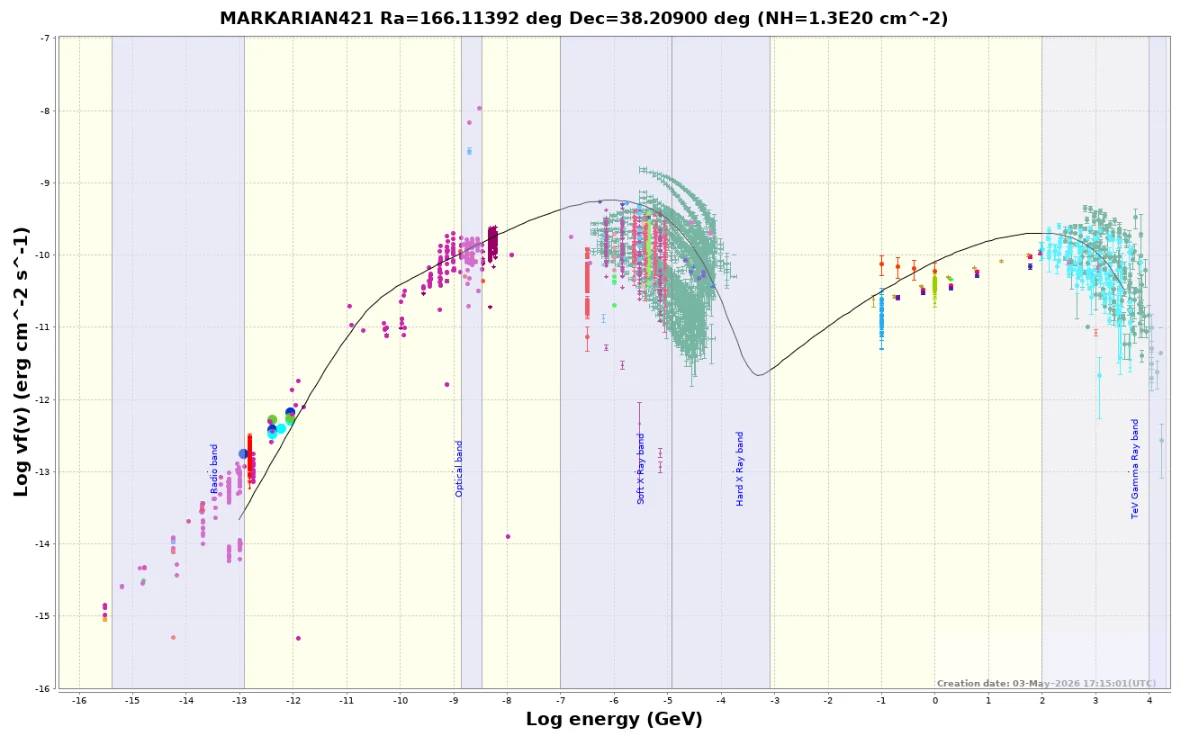
Searching for TeV sources and characterising their SED: Cassiopeia A and Markarian 421
Two sources from the TeVCat catalogue, one Galactic and one extragalactic: their X-ray and gamma-ray observations, their spectral energy distribution obtained with the SSDC Sky Explorer and their fit with synchrotron self-Compton models compared with the literature.
Read →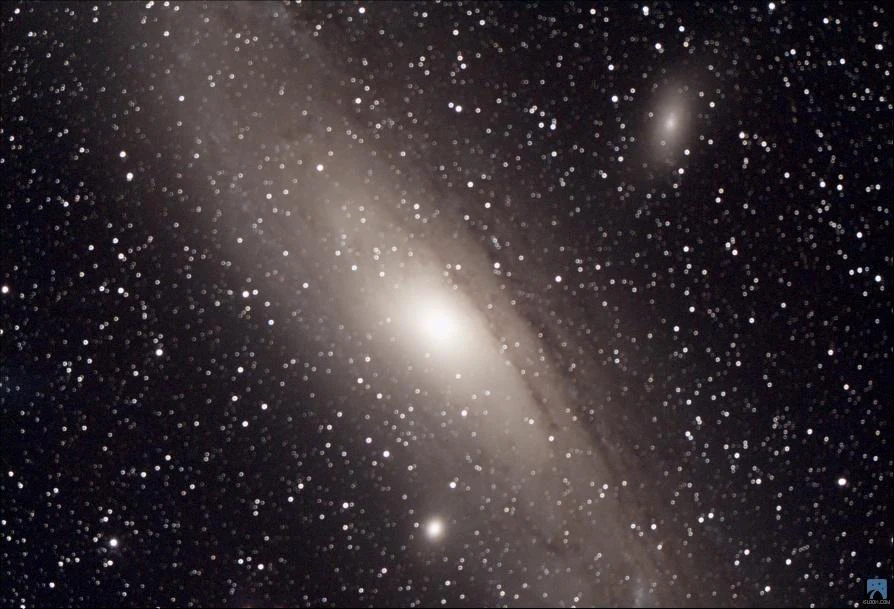
Observational extrapolation and estimate of potentially habitable planets in the Milky Way with the partial Drake equation
A reduced version of the Drake equation, with parameters from the literature and own observations with Slooh, to answer a bounded question: how many potentially habitable environments are there in our galaxy?
Read →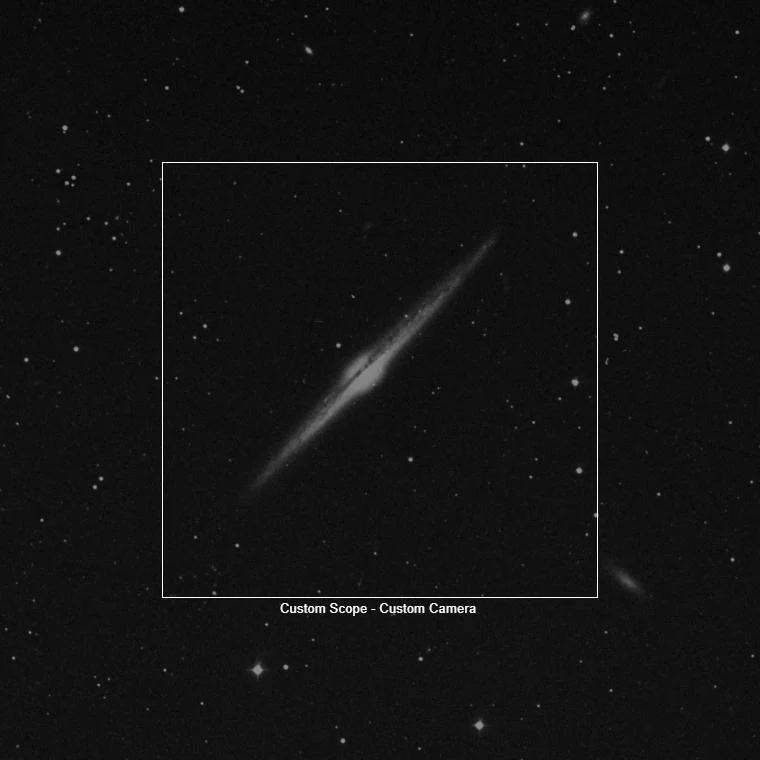
Bulge–disc structure and colour gradients in edge-on spiral galaxies (NGC 4565 and NGC 5907) from multiband photometry
Observing-time proposal for the 1.23 m telescope at Calar Alto: B, V, R and I photometry of two edge-on spiral galaxies to obtain isophotes, surface-brightness profiles, a disc + Sérsic decomposition and colour gradients.
Read →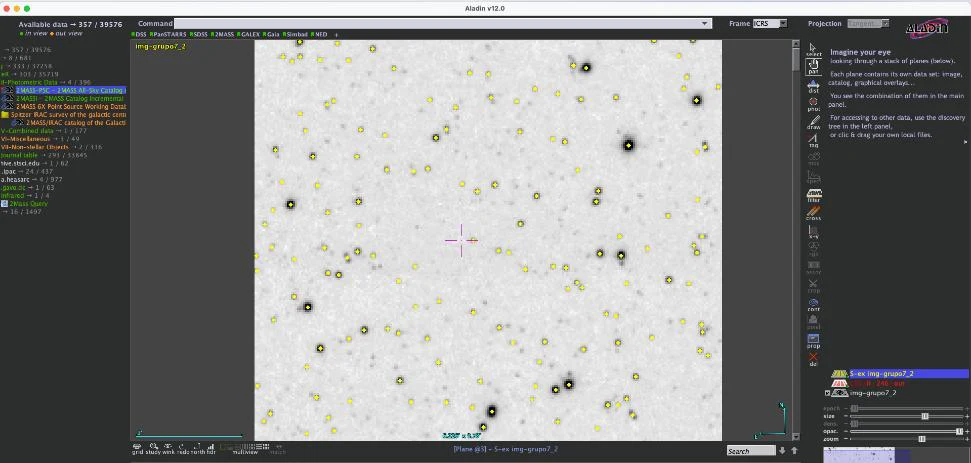
Photometric calibration of a CCD image
Derivation of the photometric zero point of a CCD image: source extraction with SExtractor, cross-match with the 2MASS catalogue, removal of outliers by sigma-clipping and error estimate.
Read →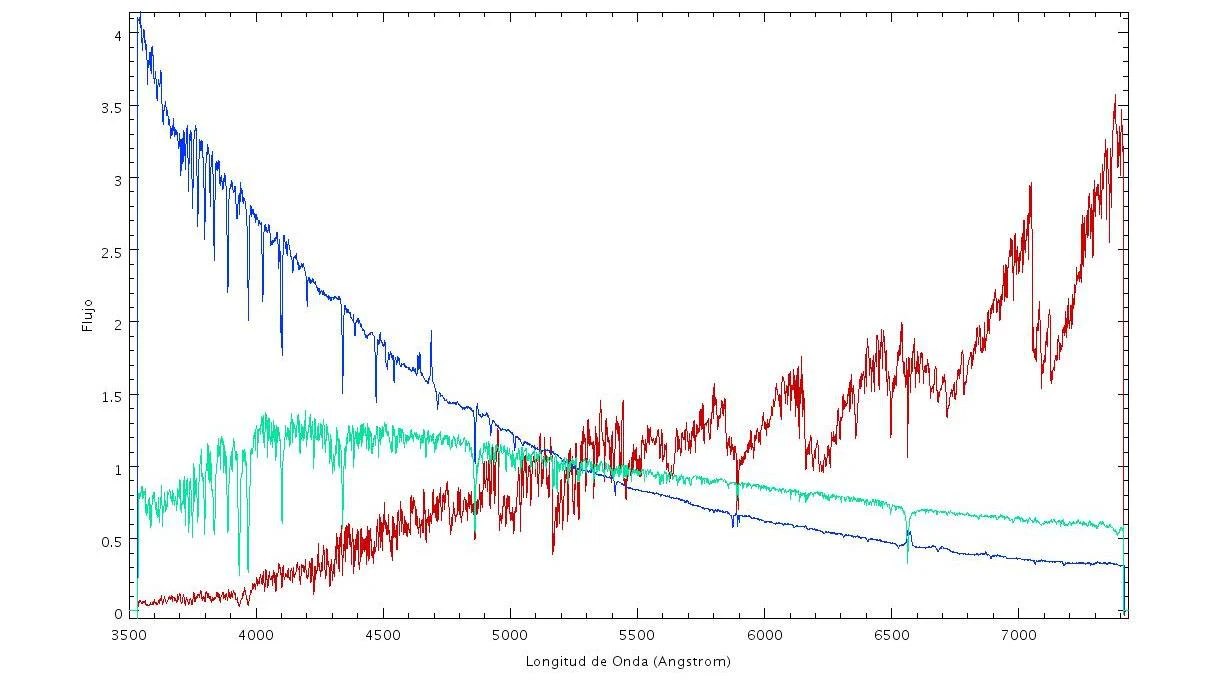
Spectral analysis and classification with the SPLAT-VO tool
Classification of three stars from their optical spectra: estimate of the effective temperature with Wien’s law, continuum normalisation and comparison of diagnostic lines with Gray’s atlas to determine spectral type and luminosity class.
Read →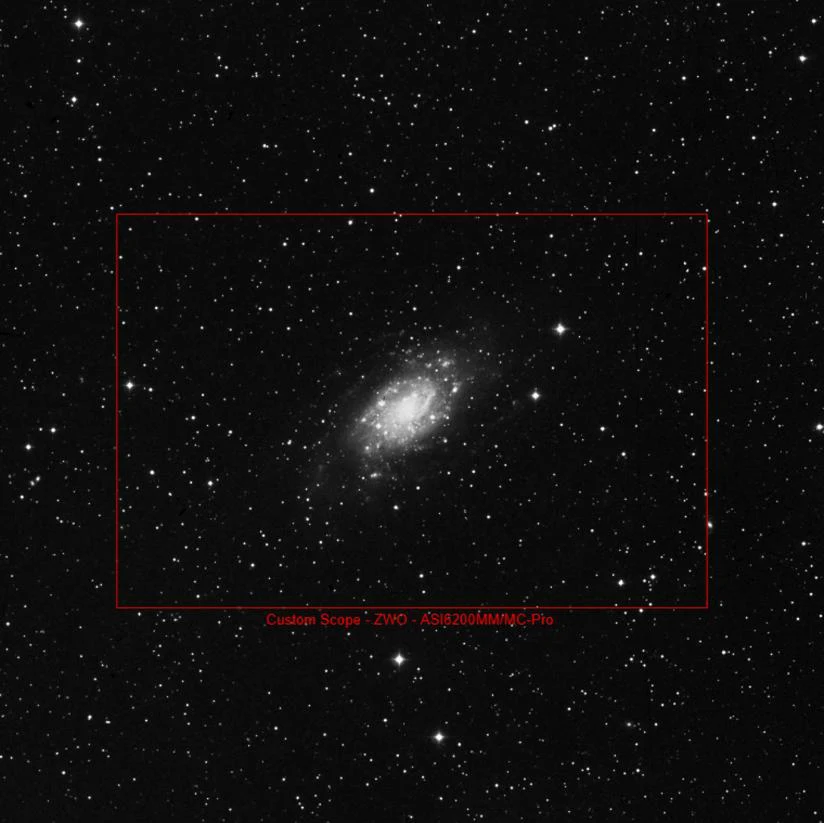
Multiband observation of extended deep-sky objects in a ProAm context
Observing-time proposal for the Vega del Codorno Observatory: a spiral galaxy, an open cluster, a galaxy with a low-luminosity active nucleus and a planetary nebula, with the choice of filters, exposure times, number of frames and signal-to-noise ratio justified for each object.
Read →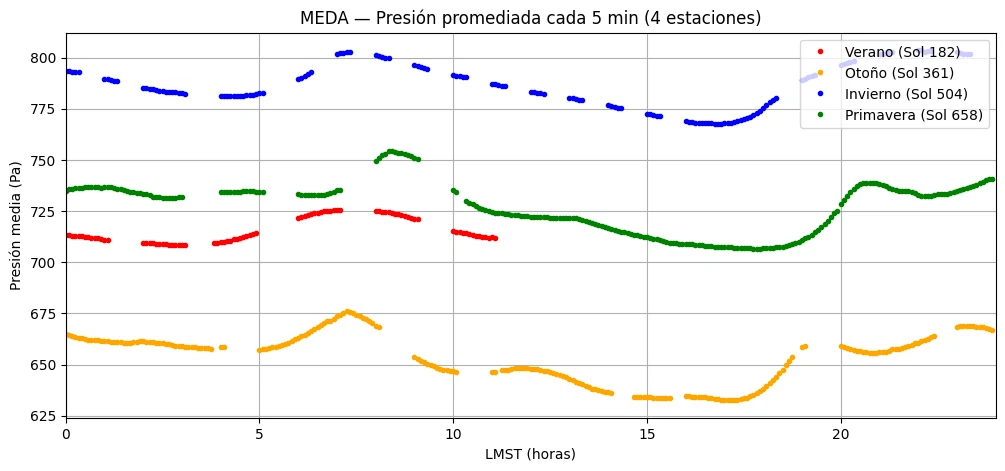
Martian weather data from MEDA on board Perseverance (NASA)
Daily and seasonal variation of atmospheric pressure in Jezero crater measured by MEDA, and its comparison with REMS in Gale crater to separate global phenomena from local effects.
Read →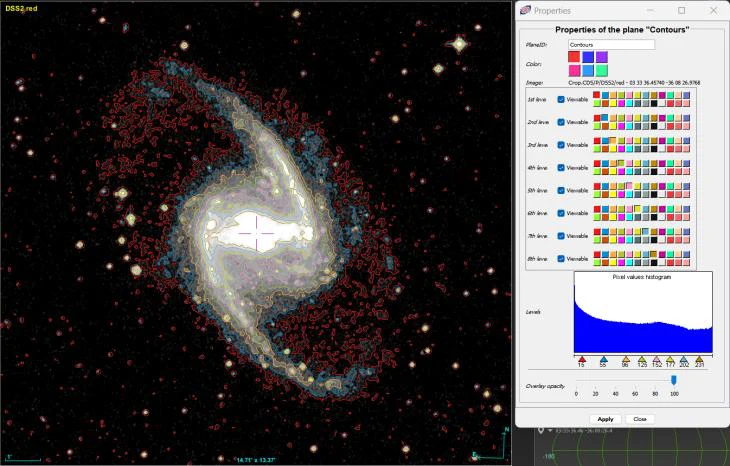
Galactic parameters: from M100 to NGC 7331 with the Virtual Observatory
Characterisation of M100 in the optical, infrared and X-rays; isophote analysis of a spiral (M81) and a barred spiral (NGC 1365) with their distances and luminosities; ellipticity and equivalent radius of M60; and the distance to NGC 7331 with the Tully–Fisher relation.
Read →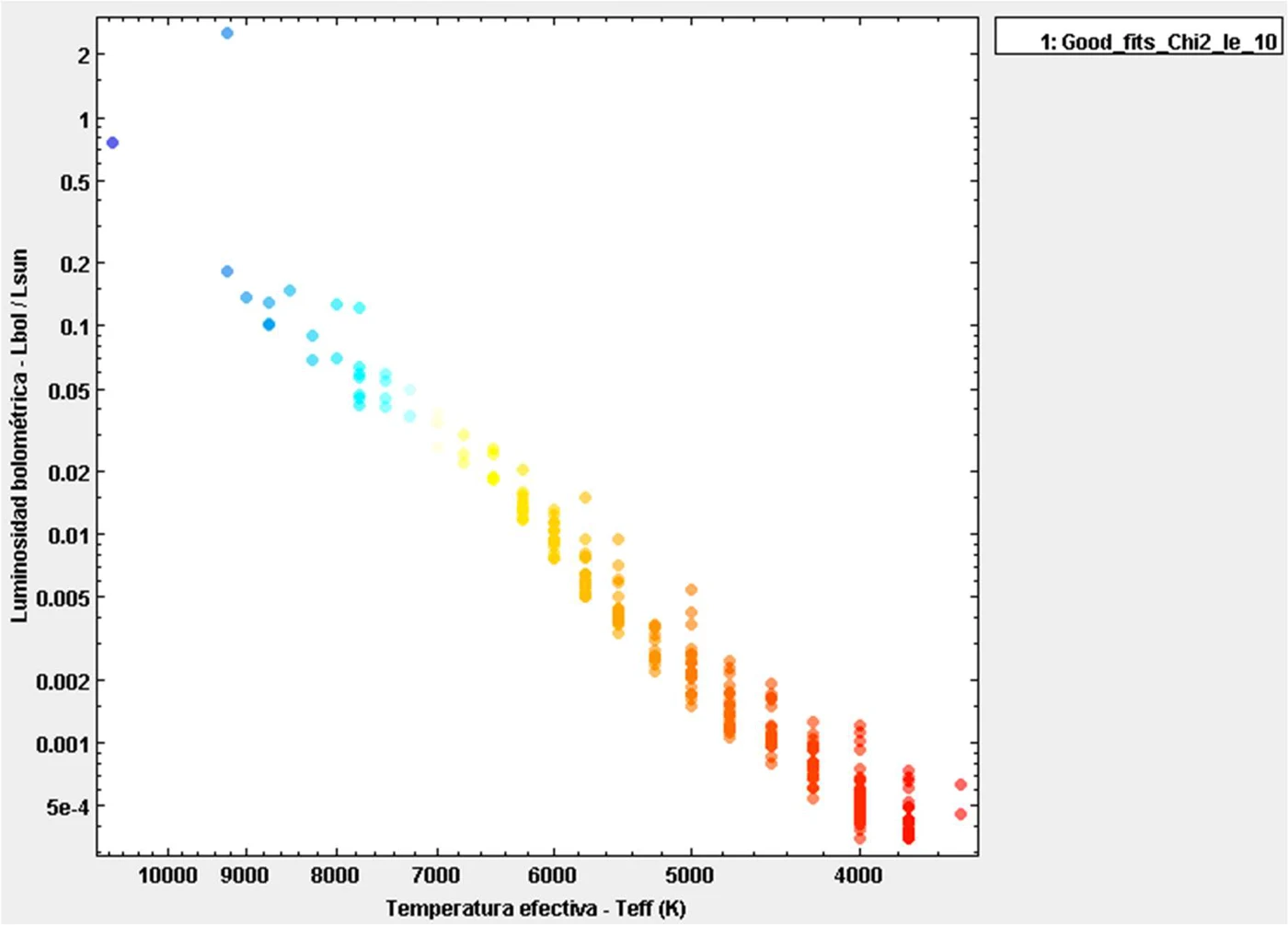
Study of a star cluster: the Pleiades with Gaia DR3
ADQL query to the Gaia DR3 archive, iterative selection of cluster members by parallax and proper motion, calculation of the distance and its error, SED fitting with VOSA and construction of the HR diagram.
Read →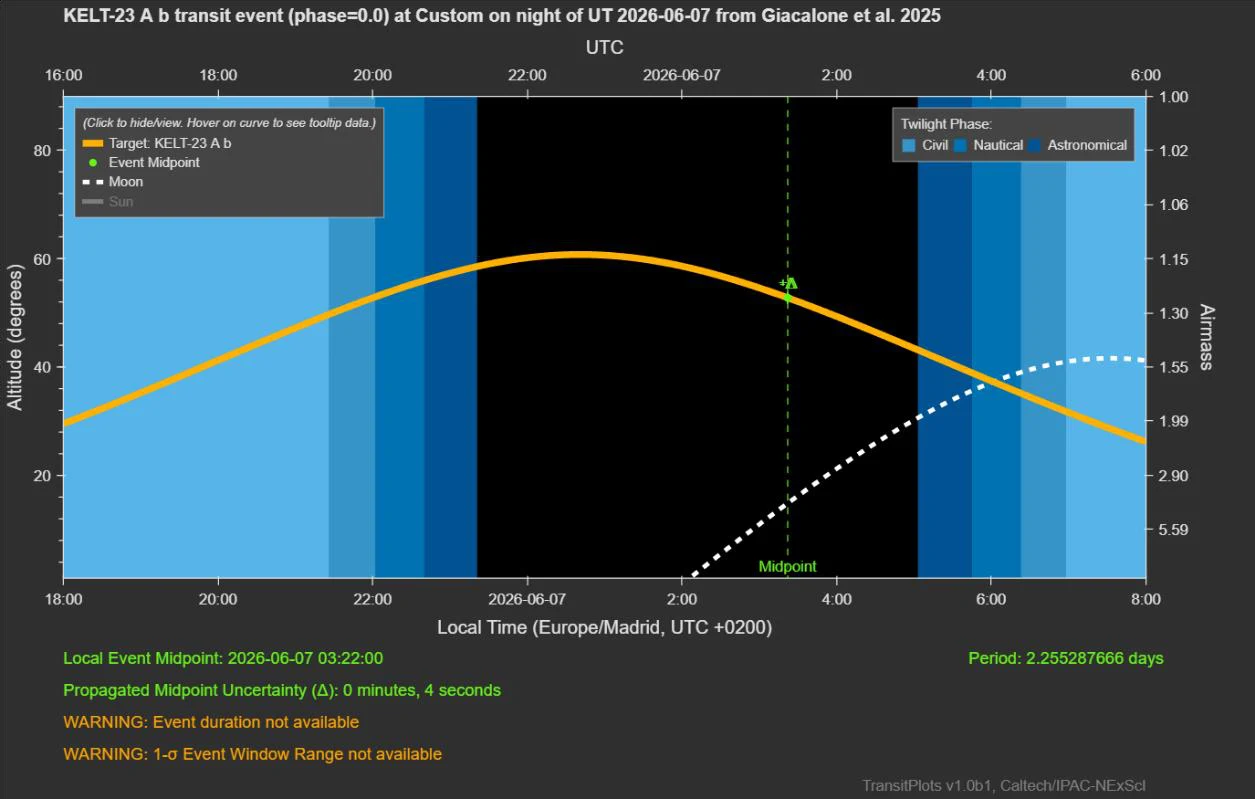
Ground-based transit photometry of hot Jupiters: instrumental validation and study of the transit of KELT-23 A b
Observing-time proposal for the T150 telescope (1.5 m) at the Sierra Nevada Observatory: the full transit of KELT-23 A b, preceded by partial monitoring of WASP-103 b as a control observation.
Read →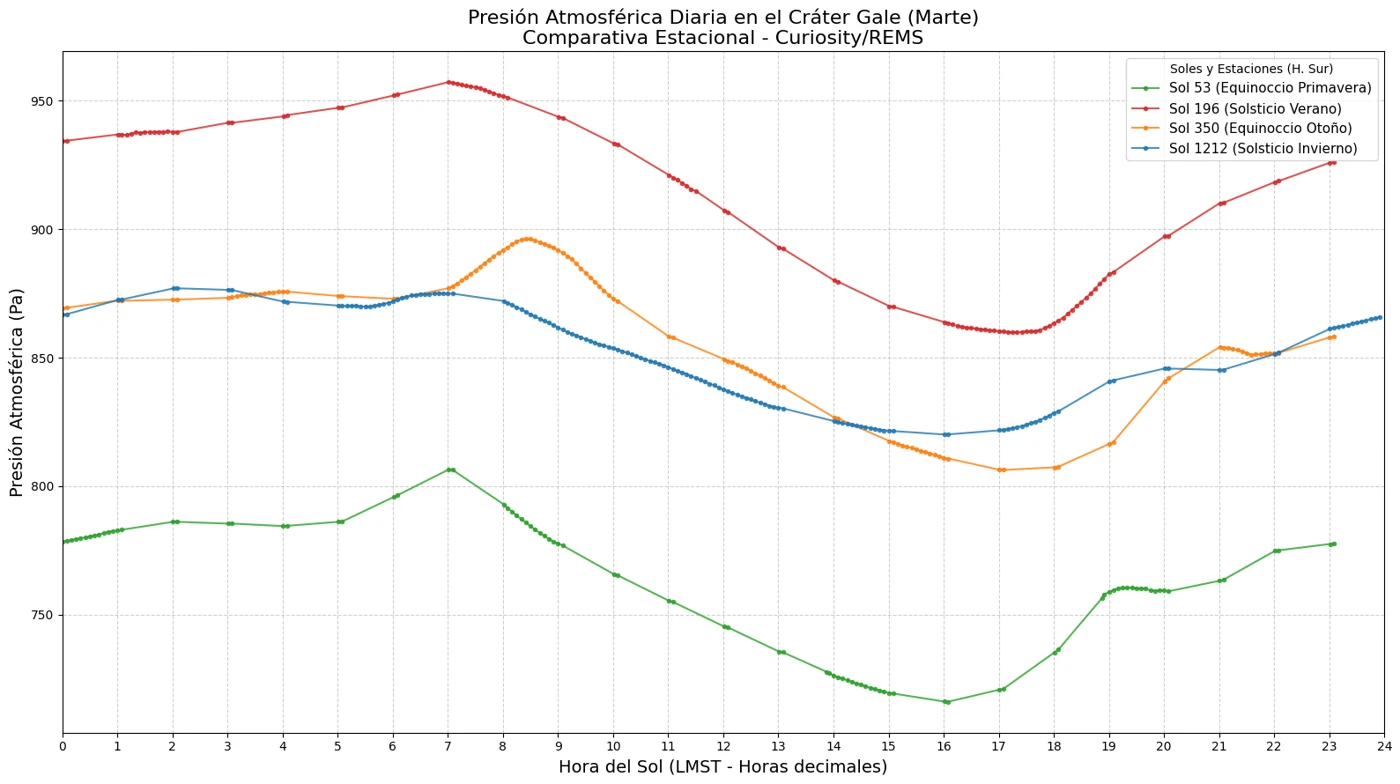
Martian weather data from REMS on board Curiosity (NASA)
How the eccentricity of the Martian orbit and the tilt of its axis shape the seasons, from the pressure recorded by REMS in Gale crater on sols 53, 196, 350 and 543, and the replacement of the latter with sol 1212.
Read →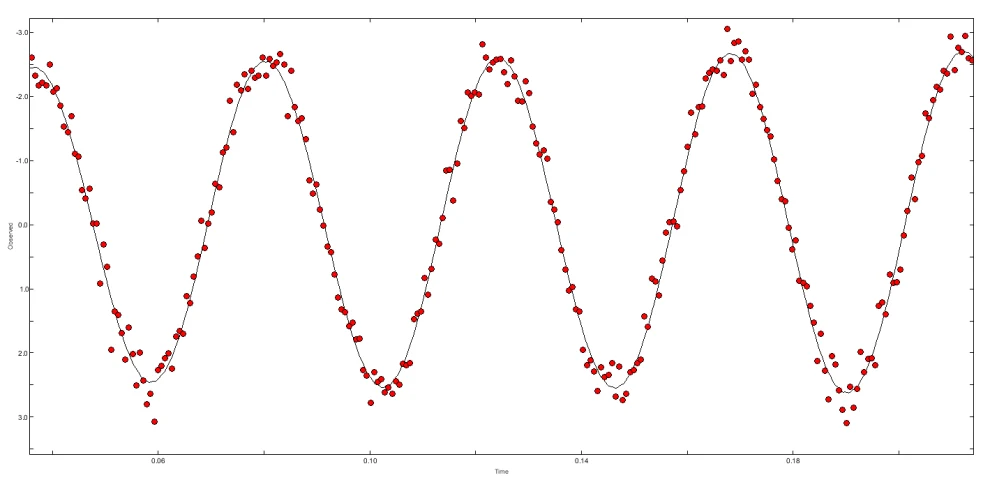
Analysis of pulsating stars: a δ Scuti observed by Kepler
Fourier transform and prewhitening with Period04 on a Kepler light curve: identification of the significant frequencies, multi-frequency fit, rejection of the satellite’s spurious frequencies and classification of the pulsator type following Aerts et al. (2010).
Read →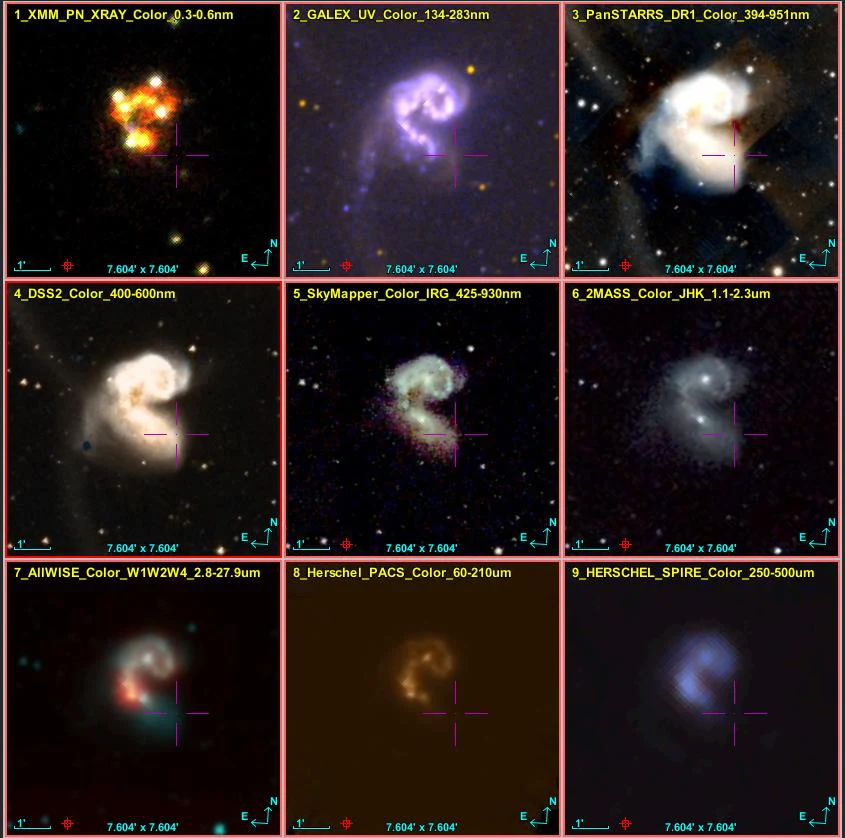
Introduction to the Virtual Observatory: Aladin, TOPCAT and VOSA
Three exercises with Virtual Observatory tools: a multispectral mosaic of the Antennae galaxies from X-rays to the submillimetre, the identification of a brown dwarf by cross-matching catalogues, and the SED fit of HD 302505 with and without interstellar extinction.
Read →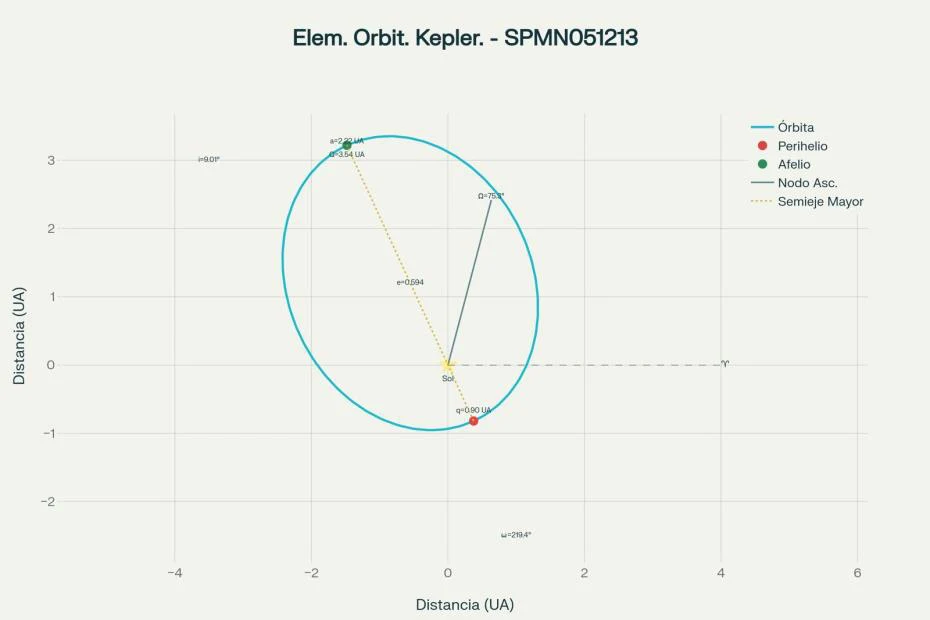
Orbital and spectral analysis of meteors
Orbital elements, origin criteria (Tisserand and Southworth–Hawkins), ablation, dynamic pressure and Ceplecha’s classification, and emission spectroscopy, applied to the deep-penetrating fireball SPMN051213 and to the Northern ω-Scorpiids.
Read →